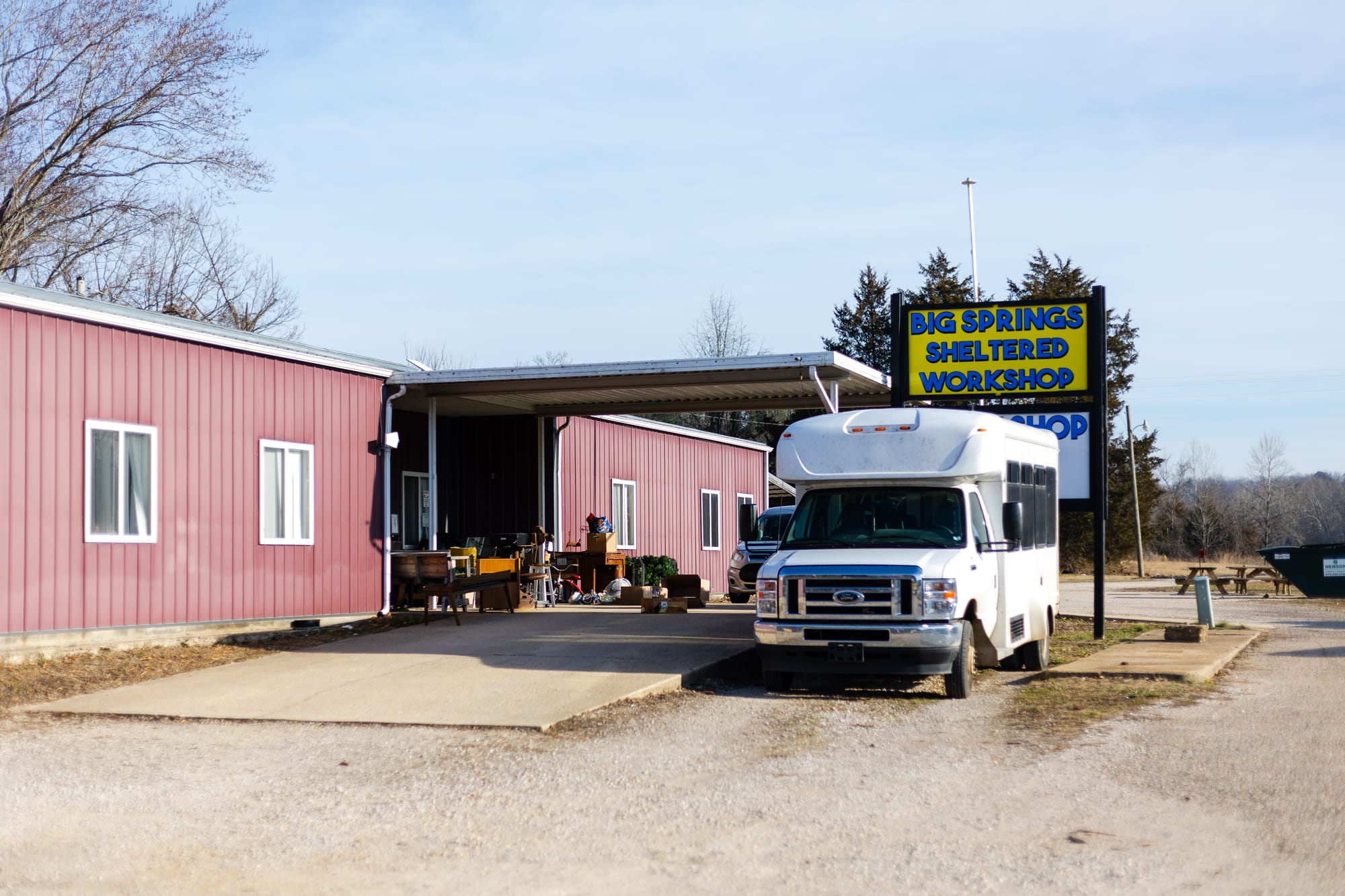
Each weekday morning, a bus operated by the Big Springs Sheltered Workshop travels across Carter County, stopping at employees’ homes before bringing them to work.
Founded in 1984, the nonprofit employs adults with disabilities through a range of services and products. “Carter County is such a rural place,” John Henderson, the workshop manager, said. “There’s not really a place for [adults with disabilities] to work. If the workshop wasn’t operating, they would not have a place to work.”
Employment access nationwide remains limited for people with disabilities. According to a 2024 study by the U.S. Bureau of Labor Statistics, only 37 percent of work-eligible adults with disabilities are employed. In rural communities like Carter County, this percentage is even lower. Big Springs Sheltered Workshop exists to change that.
The workshop operates as a nonprofit and is supported through a combination of public funding and earned revenue. This earned revenue comes through wide-ranging operations that include cardboard recycling from bins placed throughout Carter County, firewood production for local residents and tourists, picnic table construction and a community thrift shop stocked entirely by donations. Some of these operations, like recycling and the thrift store, are made possible by community support.
“Everything in the thrift store is donated by the community,” Henderson said. “They have been really great about donating a lot of really good stuff for us to resell.”
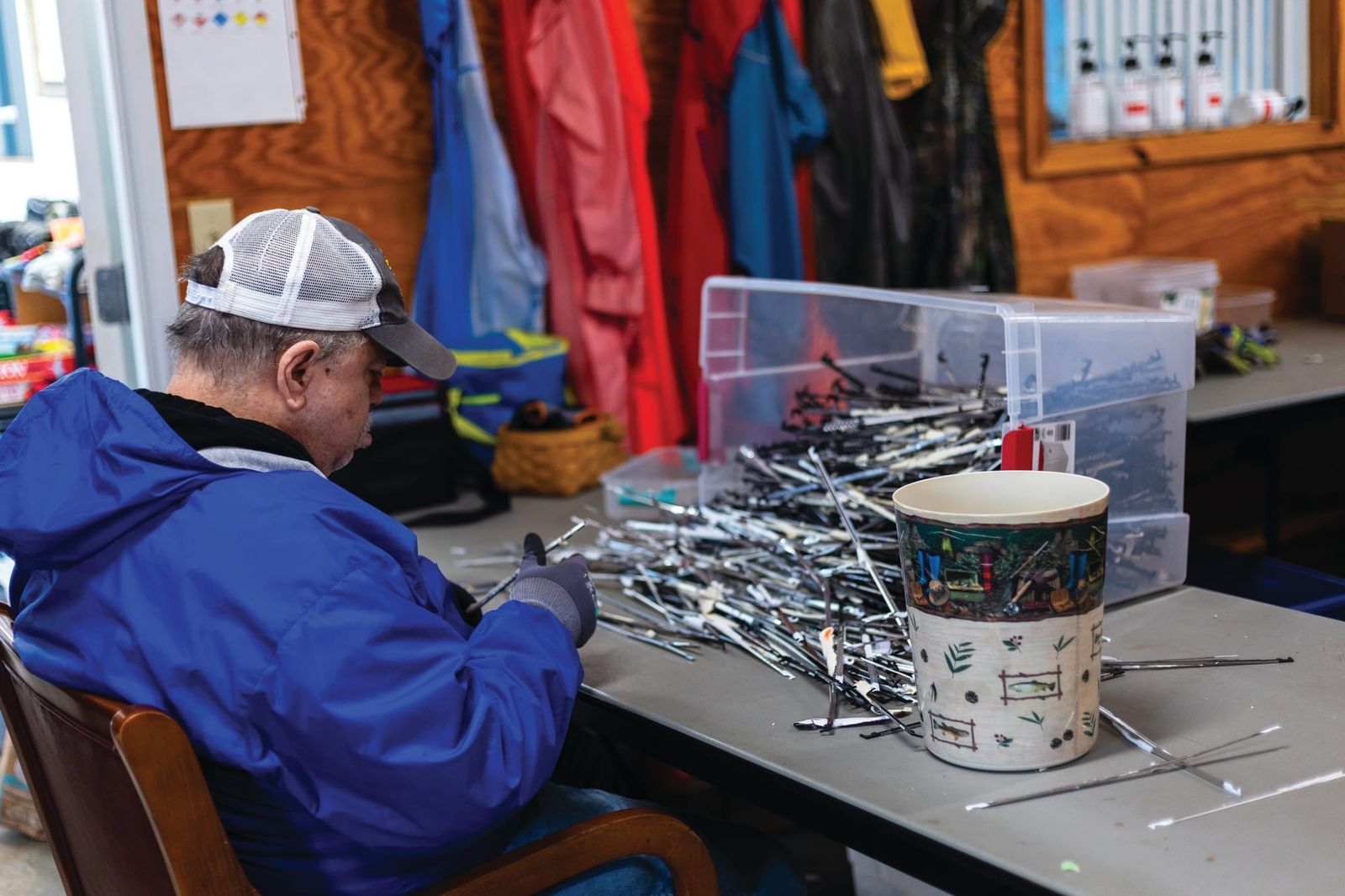
One of the workshop’s largest revenue streams, however, comes from a product inspired by the local landscape of Carter County: the Royal Minnow Trap. This plastic funnel trap is used by fishermen to catch live bait like minnows, small fish or crawfish.
The workshop has been producing the trap since 1994, but for years, they were sold only to a handful of regional distributors. “In the last three years, we managed to get them into Walmart and on Amazon and eBay,” Henderson said. “We also sell through our own website and to several independent sporting goods stores.”
The expansion has significantly increased sales nationwide, which the nonprofit depends on.
“As a nonprofit, budgets are always tight. We had to increase sales to help bring in more money to the workshop,” Henderson said. “It’s such a great product, and the vast majority of people who buy it really like it.”
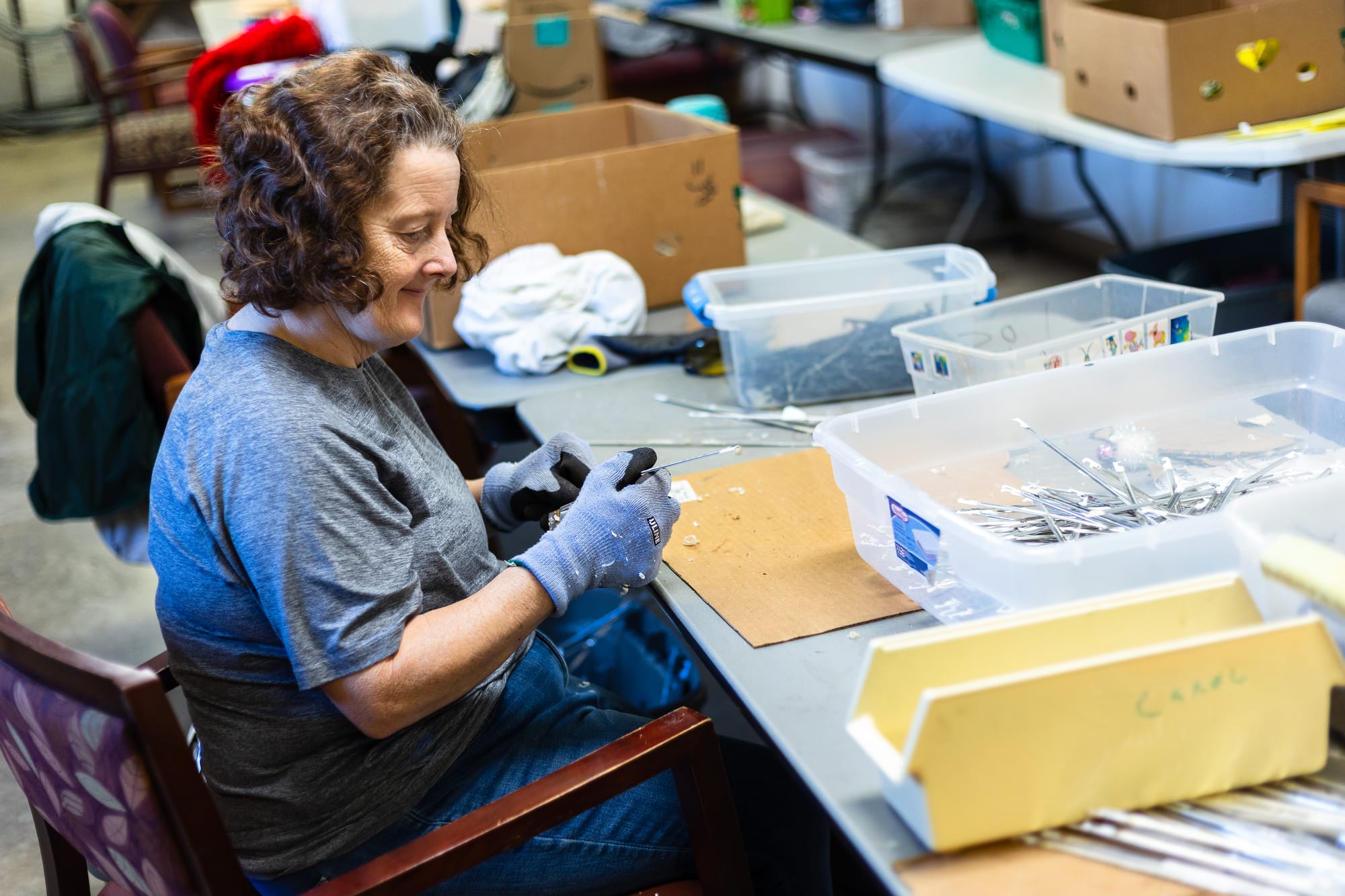
The minnow traps, like other products made at the workshop, are assembled and prepared for shipment by employees. One employee, Debra Crosby, is in charge of boxing and labeling them before they are shipped out. “She never makes a mistake,” Henderson said. “On Amazon, customers are so picky and they will return for any reason. Our rate of return is very low thanks to her.” During the summer months, Crosby may help ship 40 to 50 orders at a time, ensuring each trap matches the correct label and packaging. Crosby said working at the workshop has changed her life. “I love everything about working here,” she said. “I’ve learned a lot of stuff. I’m really good at talking to people now.”
Lucy Getts, a supervisor at the workshop, said community involvement plays a key role in daily operations. “We can always use help,” Getts said. Volunteers assist in the thrift store, the wood lot and with cardboard recycling. “Really, anything helps us.”
Despite tight budgets and the challenges of operating in a rural area, Henderson said the heart of providing those with disabilities employment keeps the workshop running. “They enjoy working here,” he said. “They look forward to coming to work and having a good job.”